
The Great Convergence: Traditional Banks Launch Integrated Crypto-Fiat Custody Solutions for Retail Investors
The financial landscape of 2026 has officially moved past the era of "Crypto vs. The Banks." For over a decade, a clear line was drawn between the traditional banking system (TradFi) and the decentralized world of digital assets. One represented stability, regulation, and slow-moving processes; the other represented innovation, high-speed transactions, and perceived risk. However, as of February 2026, that line has been erased.
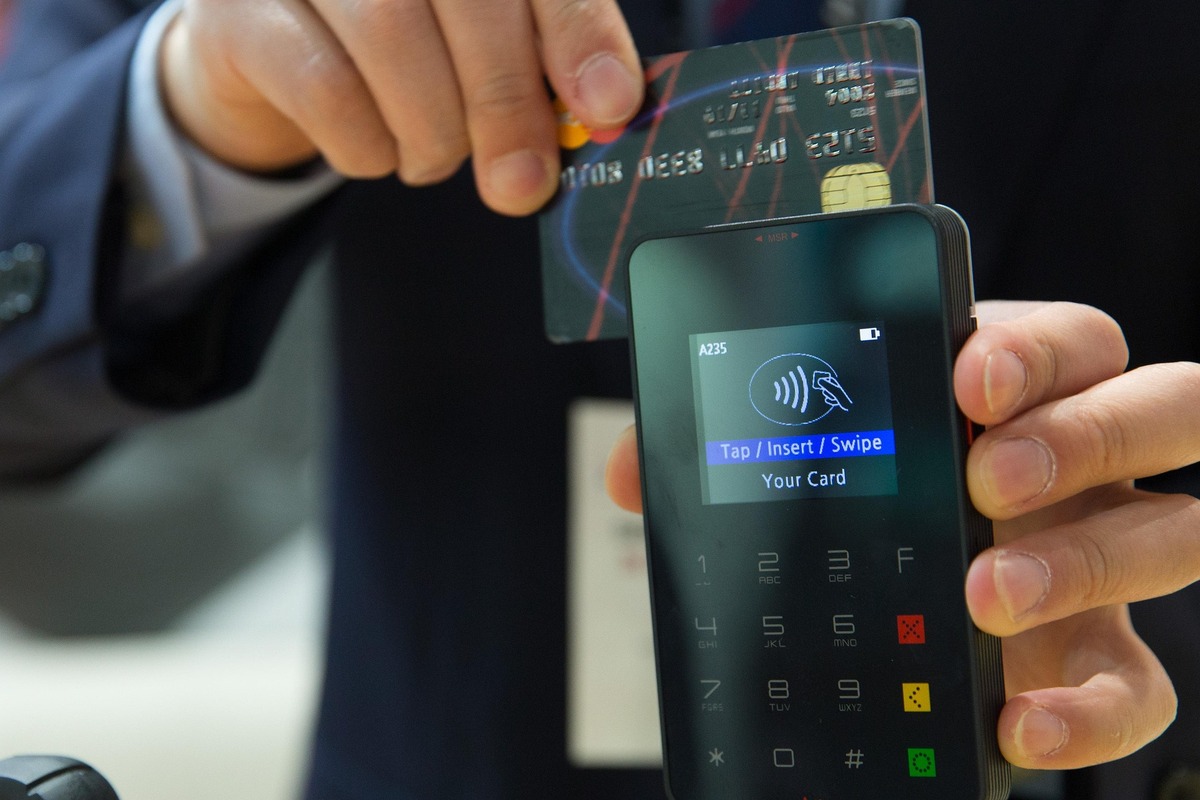
We are currently witnessing The Great Convergence. Major global retail banks—led by giants like JPMorgan Chase, HSBC, and DBS—have officially launched integrated Crypto-Fiat Custody Solutions. This allows everyday retail investors to hold their Bitcoin and Ethereum right alongside their savings accounts and stock portfolios, all within a single, regulated banking app. For the global community at IntoTravels, this marks the most significant step toward a truly borderless and friction-free financial life.
Why the Banks Changed Their Tune
The shift from banking skepticism to full-scale integration was not a sudden change of heart; it was a response to overwhelming market demand and the finalization of global regulatory frameworks.
1. The Regulatory "Green Light"
The primary catalyst was the full implementation of the Basel III/IV Crypto-Capital Standards. These global rules provided banks with a clear framework for how much capital they must hold against digital assets. Once the "Risk Weighting" became clear, the institutional fear of the unknown vanished.
2. The "Wealth Leak" Problem
Between 2021 and 2024, traditional banks watched billions of dollars in deposits flee to specialized crypto exchanges like Coinbase and Binance. To stop this "Wealth Leak," banks realized they needed to offer the same services but with the "Trust Premium" that only a century-old institution can provide.
3. The Generative Wealth Transfer
As the "Great Wealth Transfer" sees trillions of dollars moving from Boomers to Gen Z and Millennials, banks have had to adapt. These younger cohorts view crypto not as a "speculative bet" but as a standard component of a diversified portfolio. A bank that doesn't offer crypto custody in 2026 is, quite simply, a bank without a future.
What Does Integrated Custody Look Like for the User?
In 2026, the user experience of "The Great Convergence" is defined by Total Interoperability. When you log into your banking dashboard, the friction of the past is gone.
The Unified Balance Sheet
Users now see a single "Net Worth" view. Your balance might include $10,000 in a USD savings account, 0.5 BTC, and 500 shares of an S&P 500 ETF. There are no separate logins, no complicated "on-ramps," and no waiting three days for a bank transfer to clear before you can buy more digital assets.
Instantaneous Cross-Asset Swaps
The "Great Convergence" has enabled Internal Liquidity Pools. If a traveler in Europe wants to convert $1,000 worth of Bitcoin into Euros to pay for a luxury hotel stay, the bank performs an internal "swap." The transaction happens instantly, at mid-market rates, and is settled on the bank's internal ledger before being batched to the blockchain.
Institutional-Grade Security for the Masses
The biggest win for the retail investor is Security.
Cold Storage Vaults: Banks are utilizing "Deep Cold Storage" and Multi-Party Computation (MPC) to protect digital assets.
Insurance Coverage: Unlike early crypto exchanges, bank-held crypto often comes with FDIC-like insurance wrappers (up to certain limits), providing peace of mind that was previously unavailable in the "Self-Custody" era.
Impact on Global Travel: The "One-Wallet" Explorer
At IntoTravels, we focus on how technology liberates the traveler. The banking integration of crypto is a game-changer for those who live life on the move.
1. Global Solvency Recognition
In the past, a traveler with 90% of their wealth in crypto often struggled to prove their "Financial Standing" when applying for visas or renting high-end apartments. In 2026, because your crypto is held at a major regulated bank, your Certified Bank Statement includes your digital assets. This provides instant credibility to landlords and immigration officers worldwide.
2. The End of "Travel Card" Fees
Many integrated bank accounts now offer "Multi-Currency Debit Cards." These cards automatically pull from the most efficient asset in your account. If you are in London, it pulls from your GBP balance; if that is empty, it can instantly sell a fraction of your Bitcoin to cover your dinner at a zero-fee rate.
3. Integrated Emergency Assistance
If a traveler loses their phone or hardware wallet in a remote location, the "Self-Custody" route meant their funds were likely gone forever. Under the "Great Convergence," a traveler can walk into a local branch of their global bank (or a partner institution), verify their identity through biometrics, and regain access to their crypto-fiat wealth instantly.
The Technology: The Hybrid Ledger System
The Great Convergence is powered by a Hybrid Ledger System that connects the bank’s traditional Core Banking System (CBS) with the various Public Blockchains.
| Component | Function in the Integrated System |
|---|---|
| API Bridge | Connects the bank’s mobile app to the digital asset vault. |
| Liquidity Router | Scans multiple exchanges to find the best price for the user’s crypto-fiat swaps. |
| Custody Engine | Manages private keys using MPC (Multi-Party Computation) to ensure no single employee can access funds. |
| Compliance Layer | Automatically runs KYC/AML checks on every incoming and outgoing crypto transaction in real-time. |
Market Dynamics: 2021 vs. 2026 Financial Models
| Feature | The 2021 Model | The 2026 "Convergence" Model |
|---|---|---|
| Asset Silos | Strict separation. | Total Integration. |
| Settlement Time | T+2 or T+3. | Instantaneous (Real-time). |
| User Responsibility | High (Managing seed phrases). | Shared (Bank-guaranteed custody). |
| Regulatory Status | Fragmented / Unclear. | Globally Standardized. |
| Financial View | Fragmented across multiple apps. | Single "Source of Truth" App. |
The Challenges: Centralization vs. Sovereignty
Despite the immense benefits of "The Great Convergence," it has sparked a fierce debate within the crypto community regarding Financial Sovereignty.
1. The "Not Your Keys" Dilemma
The old adage "Not your keys, not your coins" still rings true for many. When you hold crypto in a bank, the bank ultimately controls the private keys. If a government orders a freeze on your account, your crypto is just as vulnerable as your fiat.
2. Privacy Concerns
Integrated banking means total transparency for the state. Every crypto transaction you make is now linked to your legal identity and tax profile. For those who value the "Pseudonymous" nature of early Bitcoin, this convergence feels like a surrender to the surveillance state.
3. The "Institutional Premium"
While banks provide security, they don't do it for free. Users can expect management fees or slightly wider spreads on swaps compared to using a decentralized exchange (DEX). In 2026, investors must choose between the Cost of Convenience and the Effort of Independence.
Conclusion: The New Normal for the Global Citizen
The Great Convergence of 2026 is the final step in the "Normalization" of digital assets. We have reached a point where Bitcoin is no longer a "rebellious alternative" but a standard pillar of the global financial architecture.
For the readers of IntoTravels, this is the ultimate convenience. Whether you are building a retirement fund, saving for a year-long world tour, or managing a global business, the ability to handle all your assets under one roof is a massive leap forward. The "Financial Walls" have finally come down, allowing us to move, spend, and save with the same fluidity with which we travel the world.


