
New Zealand Becomes First Nation to Integrate Mandatory Crypto Literacy into National K-10 Curriculum.
In 2026, the global education landscape has reached a pivotal turning point, led by a bold initiative from the South Pacific. New Zealand has officially become the first nation to mandate cryptocurrency and blockchain literacy within its national K-10 curriculum. This historic move, announced by Education Minister Erica Stanford and Finance Minister Nicola Willis, is designed to prepare the next generation—the "Crypto-Natives"—for a digital-first economy where traditional and decentralized finance increasingly overlap.
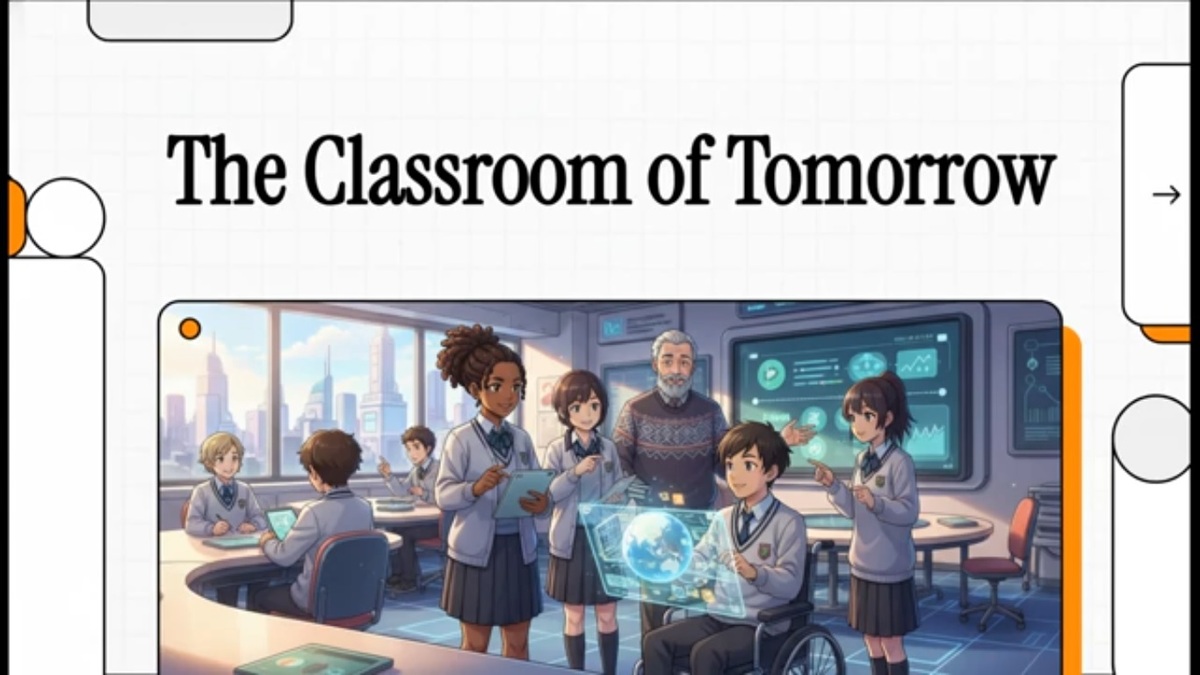
For the community at IntoTravels, where we champion the freedom of global mobility and financial sovereignty, New Zealand’s decision serves as a blueprint for the future of global citizenship. By integrating these topics into the core schooling years, the nation is ensuring that its youth are equipped with the skills to navigate the complexities of modern payment systems and digital assets.
The Genesis of the Mandate: Addressing a Knowledge Gap
The decision to overhaul the national curriculum was sparked by sobering data. In 2025, research from the Retirement Commission revealed that only 25% of New Zealand students received any formal financial education. With young adults increasingly falling into debt and a significant portion of the population already exploring digital assets, the government recognized that "financial literacy" in 2026 must include more than just balancing a checkbook.
The mandatory rollout begins in 2026, with full nationwide implementation required by 2027. The curriculum is part of the updated social sciences framework, moving away from elective "financial math" toward a comprehensive, mandatory life-skills approach.
A Developmental Roadmap: From Year 1 to Year 10
The New Zealand Ministry of Education has developed a scaffolded, age-appropriate learning pathway to ensure that complex concepts like decentralization are introduced at the right developmental stage.
Years 1–5: Building the Foundations
At the primary level, the focus is on the basic psychology and mechanics of value.
The Concept of Value: Distinguishing between "needs" and "wants."
Earning and Spending: Understanding the rewards of labor and the cost of consumption.
Token Systems: Using classroom "tokens" to learn about earning, saving, and recording transactions on a basic shared ledger (the precursor to blockchain).
Years 6–8: Demystifying the Digital Ledger
As students enter intermediate years, the curriculum introduces the "plumbing" of the digital economy.
Modern Payment Systems: How value moves across borders without physical cash.
Blockchain Simulations: Hands-on activities where students play roles as "nodes," "miners," and "users."
Distributed Trust: Learning how a decentralized network can be more transparent and secure than a centralized one.
Years 9–10: Strategic Finance and Market Dynamics
At the junior secondary level, the focus shifts to critical thinking and risk management.
Price Discovery: Understanding why assets like Bitcoin or Ethereum fluctuate in value based on demand and limited supply.
Digital Wallets: Practicing with simulated wallets to understand spending controls and security protocols.
Critical Analysis: Identifying "Hype vs. Utility" and recognizing the red flags of financial scams in the digital space.
Practical Learning: Post-Its as Blocks
One of the most praised aspects of the New Zealand model is its "Unplugged" approach to technology. To prevent screen fatigue and ensure fundamental understanding, teachers often use physical simulations.
"Students create a human blockchain. One student acts as the miner, solving a puzzle to 'validate' a transaction written on a Post-it note. Once validated, the note is taped to the previous one, forming a physical chain. If anyone tries to change a 'transaction' in the middle of the chain, the whole class can see that the links no longer match."
This tactile experience demystifies the "magic" of blockchain, teaching students that at its core, it is simply a more honest way of keeping records.
Impact on the Future Global Citizen
For the travelers and digital nomads of IntoTravels, New Zealand's mandate has profound implications for the future of global travel and work.
Financial Resilience: A student who understands digital wallets and market volatility is less likely to lose their travel funds to a phishing scam or a poorly understood investment.
Global Mobility: As more countries adopt digital nomad visas and crypto-friendly payment systems, the next generation of Kiwi travelers will be able to manage their assets across borders with total confidence.
The "Sovereign" Mindset: By teaching kids how to be their own "bank," New Zealand is fostering a mindset of personal responsibility and independence—traits that are essential for successful long-term travel.
Comparing Old vs. New Financial Education
| Feature | Traditional Curriculum (Pre-2026) | New Zealand K-10 Mandate (2026+) |
|---|---|---|
| Status | Elective / Voluntary. | Mandatory for all students. |
| Asset Focus | Cash, Savings, Stocks. | Cash, Stocks, Crypto, NFT/RWA. |
| Technology | Bank Account Apps. | Ledgers, Nodes, Wallets, DEXs. |
| Risk Focus | Credit card debt / Overdrafts. | Volatility, Scams, Custody Risks. |
| Global View | National Banking. | Decentralized / Borderless Finance. |
Challenges and Partnerships
The transition has not been without hurdles. The primary challenge remains teacher training. To address this, the Ministry of Education has partnered with the Retirement Commission, the University of Waikato, and local advocacy groups like Cryptocurrency NZ. These partnerships provide educators with pre-verified resources and "plug-and-play" lesson plans, ensuring that a teacher in a remote village in South Island has the same quality of material as one in downtown Auckland.
Conclusion: Leading by Example
New Zealand's integration of crypto literacy into the national curriculum is a recognition that the digital economy is no longer "the future"—it is the present. By 2027, every child leaving the Year 10 classroom in New Zealand will possess a foundational understanding of the technologies that are reshaping global trade, trust, and travel.
For those of us at IntoTravels, we see this as a call to action for other nations. Education is the ultimate hedge against uncertainty. In a world of digital borderlessness, a child who understands the ledger is a child who truly owns their future. New Zealand has planted the seeds for a more financially savvy, independent, and tech-literate society, and the world is watching to see the harvest.


